
Custom Yarns Driving the Future of Eco-Friendly and Functional Textiles
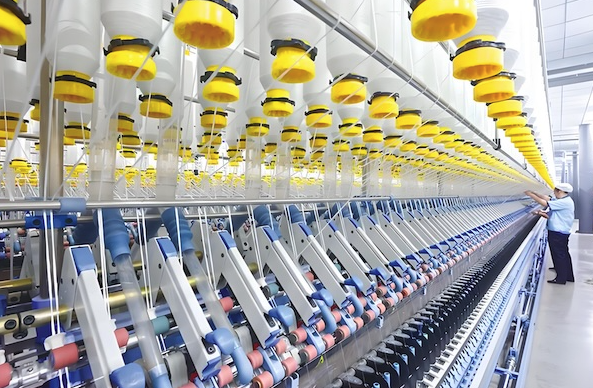
In today’s rapidly evolving textile industry, the demand for innovation, sustainability, and performance is stronger than ever. Brands, manufacturers, and designers are increasingly seeking materials that not only enhance product functionality but also align with global environmental priorities. This growing shift is positioning custom yarns—engineered with precision and purpose—as a transformative solution for modern textiles. Among the most impactful developments are recycled, dope-dyed, antimony-free, biodegradable, and performance polyester yarns, all designed to elevate product quality while minimizing environmental impact.
Custom yarns represent a step forward in textile engineering. Instead of relying on generic raw materials, manufacturers can customize fiber properties based on specific application needs, such as durability, softness, moisture management, UV resistance, or environmental sustainability. This flexibility allows custom yarns to be tailored for sportswear, home textiles, automotive fabrics, fashion apparel, and industrial applications.
One of the leading innovations in this space is the rise of recycled polyester yarns, produced from post-consumer and post-industrial waste such as PET bottles. These yarns significantly reduce resource consumption and greenhouse gas emissions. By transforming waste into high-value textile materials, recycled custom yarns support circularity and allow brands to meet sustainability goals without compromising performance or aesthetics.
Another groundbreaking development is the use of dope-dyed yarns, which integrate color pigments into the polymer solution before the spinning process. This technique eliminates the need for water-intensive dyeing and drastically lowers chemical use. As a result, dope-dyed custom yarns offer a future-ready, eco-friendly alternative to conventional dyeing, ensuring colorfastness, vibrancy, and long-lasting fabric performance.
Custom yarns are also moving toward safer chemistry, highlighted by antimony-free polyester yarns, which avoid the use of antimony catalysts commonly found in traditional polyester production. These yarns contribute to safer manufacturing environments, compliance with global chemical regulations, and healthier textile products for consumers.
To further address environmental concerns, manufacturers are increasingly offering biodegradable polyester yarns. Engineered to break down faster under specific conditions, biodegradable custom yarns help reduce long-term pollution in landfills and oceans. While maintaining the same durability and performance during use, these yarns offer an end-of-life advantage that makes them ideal for eco-conscious brands.
Performance-driven custom yarns also play a vital role in modern textile advancements. Moisture-wicking fibers, thermal-regulating yarns, antibacterial yarns, and high-tenacity polyester variations provide enhanced functionality for demanding applications. Whether for activewear, outdoor gear, or medical textiles, these engineered yarns elevate user comfort and product longevity.
As consumers and industries continue to prioritize sustainability and performance, custom yarns have become a key driver of innovation. With technologies like recycling, dope-dyeing, biodegradable polymers, and advanced fiber engineering, the textile sector is entering a new era of efficiency and responsibility. Manufacturers committed to producing high-quality, eco-friendly, and functional polyester yarns are leading this transformation—shaping a future where textiles are not only smarter but also kinder to the planet.



Leave a reply
You must be logged in to post a comment.


